
Photo Credit: Shutterstock – African American model
African Americans: Higher rates of maternal morality, HIV, Sickle Cell Anemia management (or help in the hospital due to lack of knowledge)."African Americans have higher rates of chronic conditions and experience worse health outcomes due to social and economic inequalities, systemic racism, and limited access to quality care." — U.S. Department of Health and Human Services, Office of Minority Health
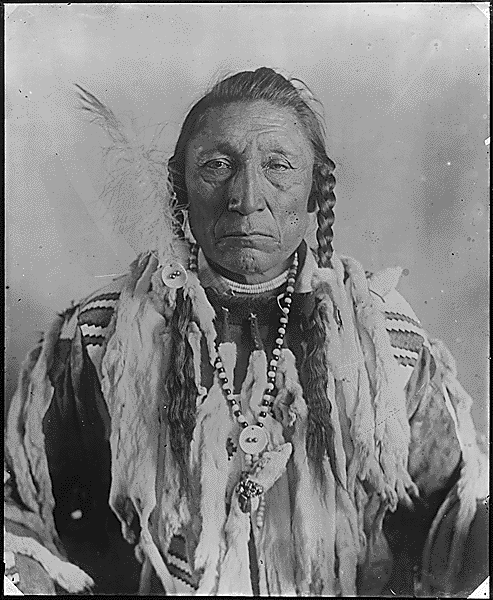
Photo Credit: National Archives – Native American History
Native Americans: Alaska Native communities: Lower life expectancy, higher rates of chronic illnesses and overall poor health."Native Americans and Alaska Natives face persistent health disparities, including lower life expectancy and higher rates of chronic diseases, due in large part to historic and ongoing structural inequities." — National Indian Health Board (NIHB)

Photo Credit: Shutterstock – Asian American Man
Asian American and Pacific islander communities: Chronic disease, mental health challenges, higher rates of infectious disease."Despite the model minority myth, Asian Americans face serious health disparities — including low access to mental health care, language barriers, and culturally insensitive services." — Asian American Health Initiative (AAHI)

Photo Credit: Adobe Stock – Latino Community
Latino and Hispanic communities: Higher rates of type 2 diabetes, access to healthcare, artery diseases."Latinos are less likely to have health insurance, which limits access to care, preventive services, and treatment — contributing to higher rates of diabetes, obesity, and certain cancers." — U.S. Department of Health and Human Services, Office of Minority Health
Join the Movement
Whether you share information, volunteer, or simply listen, you’re helping close the gap in healthcare. Be part of the solution today.